
Remember to combine traps with regular cleaning and other flea control methods for the best results.
June 30, 2025
6 min read time
This information is reviewed by an independent pest control expert.
All external links are non-affiliated and for informational purposes only
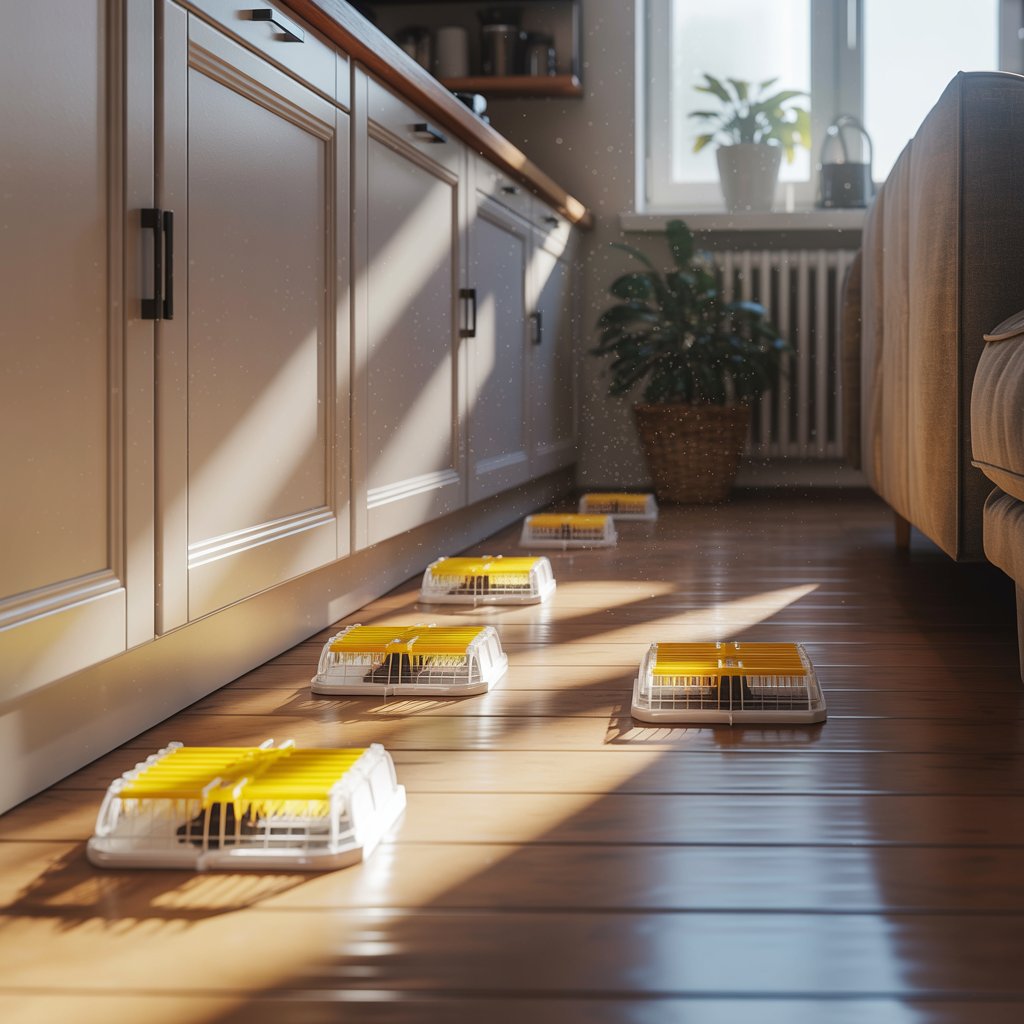
If you’ve ever experienced the hassle of a flea infestation, you know that these tiny pests can be a major headache. They can invade your home, make your pets uncomfortable, and leave you itchy and irritated. But fear not! One of the most effective ways to tackle a flea problem is by using flea traps. In this comprehensive guide, we’ll explore where to place flea traps in your house for maximum effect, ensuring you reclaim your space from these pesky invaders.
Before we dive into trap placement, let’s take a moment to understand what fleas are and why they’re such a nuisance.
Fleas are small, wingless insects that feed on the blood of mammals and birds. They thrive in warm and humid environments, making your home an ideal breeding ground. Fleas can jump up to 150 times their body length, which allows them to move quickly from hosts to new locations.
Flea traps are an excellent tool for monitoring and controlling flea populations. They work by attracting fleas with light and warmth, then trapping them on a sticky surface. This not only helps in catching fleas but also provides you with an indication of the severity of your infestation.
Now that we understand the basics, let’s get into the nitty-gritty of where to place those traps for maximum effectiveness.
The living room is often the heart of the home, and it’s also where your pets spend a lot of time. Place traps in corners, near furniture, and along areas where your pets frequently lounge.
Hallways often serve as a transitional space where fleas can easily hop from room to room. Placing traps here helps catch fleas as they travel.
Your pet’s bed is a prime location for fleas, as it’s warm and cozy.
Wherever your pet eats, fleas are likely to be lurking.
Fleas can easily hitch a ride on your pets and end up in your bedroom, so it’s crucial to place traps here as well.
Your bed is a resting place for both you and your pets, making it an ideal spot for fleas.
Fleas can hide in the fabric of your clothes.
Fleas can enter your home through open doors, windows, and even on your shoes or pets.
Make it a habit to place traps near doors leading outside.
Open windows can allow fleas to enter, especially if you have pets that roam outside.
These areas are often overlooked but can be breeding grounds for fleas.
If you have a basement, it’s worth placing a few traps here as well.
If you have a crawl space, consider placing traps near the entry points.
Now that you know where to place your flea traps, here are some tips to boost their effectiveness:
The more traps you use, the better your chances of catching fleas. Spread them out in the recommended locations for maximum coverage.
Regularly check and replace the sticky surfaces of your traps. A clean trap is more effective than one that’s covered in dust and debris.
Flea traps often use light to attract fleas. Make sure your traps are near a light source, especially at night when fleas are more active.
Keep an eye on your traps. If you notice they’re not catching fleas, consider adjusting their placement or adding more traps in different areas.
While traps are effective, combining them with other flea control methods (like vacuuming and treating pets) can enhance your overall success.
While flea traps are an excellent tool, it’s essential to tackle your flea problem from multiple angles. Here are some other methods to consider:
Vacuuming removes fleas, eggs, and larvae from carpets, bedding, and furniture. Be sure to dispose of the vacuum bag or clean the canister afterward to prevent fleas from escaping.
Regularly wash your pet’s bedding and any blankets or fabrics they come into contact with in hot water to kill fleas and their eggs.
Consult your veterinarian for effective flea treatments for your pets. Options include topical treatments, oral medications, and flea collars.
If your flea problem is severe, consider hiring a professional exterminator. They can provide targeted treatments that may be more effective than DIY methods.
Flea infestations can be frustrating, but with the right strategies, you can effectively combat these unwelcome guests. By strategically placing flea traps in high-traffic areas, pet zones, bedrooms, entry points, and even basements, you’ll maximize their effectiveness in capturing fleas. Remember to combine traps with regular cleaning and other flea control methods for the best results.
With patience and persistence, you can reclaim your home from fleas and create a comfortable, pest-free environment for you and your furry friends. Happy trapping!