
Whether they’re mealybugs, whiteflies, or even fungus gnat larvae, each type requires a specific approach for control.
February 25, 2026
6 min read time
This information is reviewed by an independent pest control expert.
All external links are non-affiliated and for informational purposes only
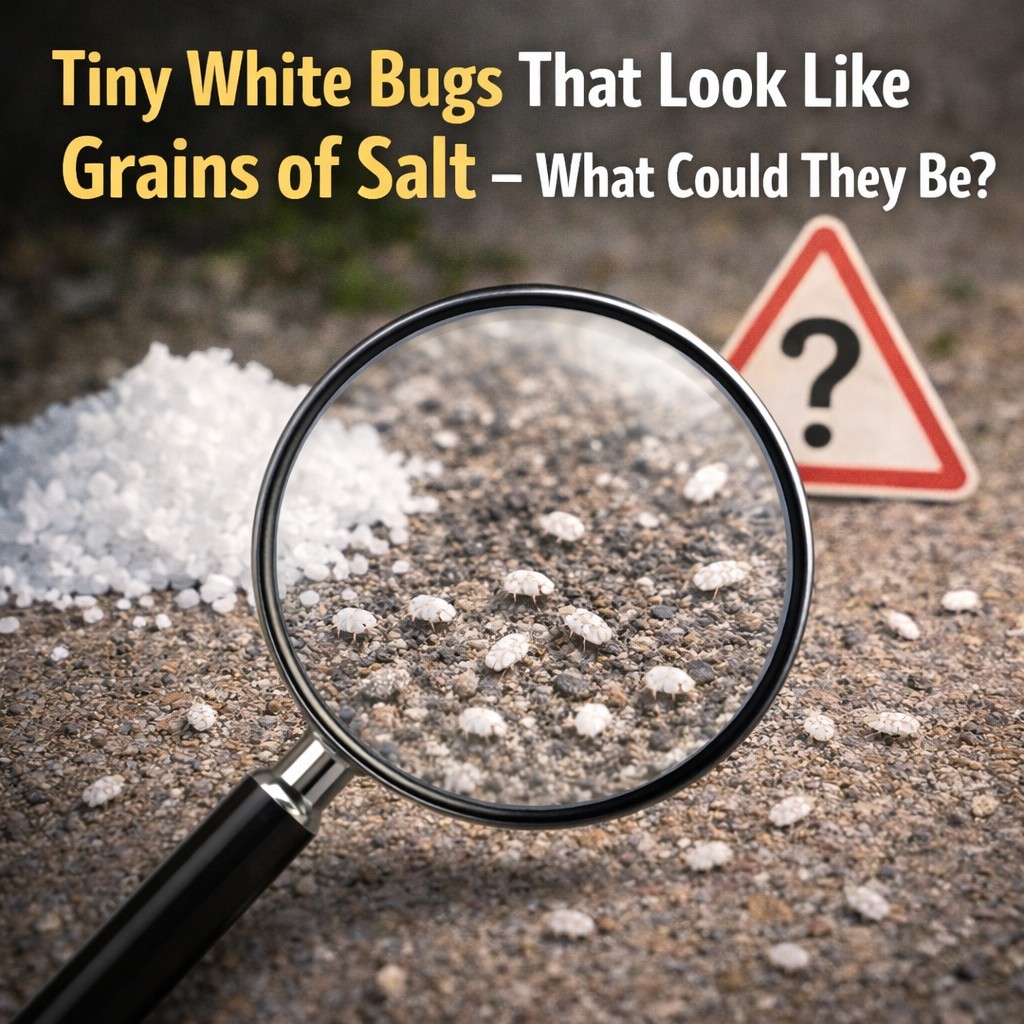
Have you ever noticed tiny white bugs crawling around your home or garden, and they resemble grains of salt? If so, you’re not alone! Many people encounter these miniature pests and are often left puzzled. What are they? Are they harmful? How can you get rid of them? These are common questions that we will explore in this comprehensive guide.
In this article, we’ll take a closer look at the tiny white bugs that look like grains of salt, identify what they could be, and discuss effective methods for managing them. Let’s dive in!
Before we jump to conclusions, it’s essential to understand the characteristics of these tiny white bugs. They are often small, ranging from 1 to 2 mm in length, and can be hard to spot due to their size and color. Their resemblance to grains of salt can make them easily overlooked or mistaken for harmless debris.
Now that we have a general idea of what these bugs look like, let’s explore some common types of tiny white bugs that could fit this description.
Description: Mealybugs are soft-bodied insects covered in a white, waxy substance that gives them a fluffy appearance. They are commonly found on houseplants and can be identified by their cotton-like texture.
Habitat: Mostly found on indoor and outdoor plants, especially in warm, humid environments.
Impact: They feed on plant sap, which can weaken the plant and lead to yellowing leaves and stunted growth.
Control Measures:
Description: Whiteflies are tiny insects that resemble miniature moths. They often appear as small white dots fluttering around plants when disturbed.
Habitat: Common on a variety of plants, especially vegetables and ornamental plants.
Impact: Like mealybugs, whiteflies feed on plant sap and can transmit plant diseases.
Control Measures:
Description: While not always white, some species of aphids are pale and can blend in with plant surfaces. They’re small, soft-bodied insects that can be found in clusters.
Habitat: Frequently found on the undersides of leaves and on new growth.
Impact: Aphids suck sap from plants, leading to leaf curl, yellowing, and the potential spread of diseases.
Control Measures:
Description: These tiny flies have a dark body but may have a white or translucent appearance when they are larvae. The larvae can sometimes look like tiny white worms or grains of salt.
Habitat: Usually found in damp, organic-rich soil.
Impact: Fungus gnat larvae feed on roots and organic matter, which can harm young plants.
Control Measures:
Description: While not a bug, powdery mildew can appear as white, grainy spots on leaves and can be confused for tiny white bugs.
Habitat: Thrives in warm, dry conditions with poor air circulation.
Impact: It can inhibit plant growth and photosynthesis.
Control Measures:
You might be wondering why you should care about these tiny white bugs. While some are harmless, others can cause significant damage to your plants and indoor spaces. Here are a few reasons to be concerned:
Preventing infestations of tiny white bugs is often easier than dealing with them once they’ve settled in. Here are some effective prevention tips:
If you find that tiny white bugs have already invaded your space, don’t panic! There are several effective strategies you can employ to manage and eliminate them.
Tiny white bugs that look like grains of salt can be a nuisance, but understanding what they are and how to manage them can make all the difference. Whether they’re mealybugs, whiteflies, or even fungus gnat larvae, each type requires a specific approach for control. With regular inspections, good plant care, and appropriate pest management strategies, you can protect your plants and keep your garden thriving.
Remember, while not all tiny white bugs are harmful, it’s always best to take proactive measures to prevent infestations. Armed with the knowledge from this guide, you’ll be better equipped to identify, manage, and prevent these pests in your home and garden. Happy gardening!