
bug zappers can be a handy tool in the battle against pesky insects, thanks to their use of UV light and electrified grids.
June 17, 2025
6 min read time
This information is reviewed by an independent pest control expert.
All external links are non-affiliated and for informational purposes only
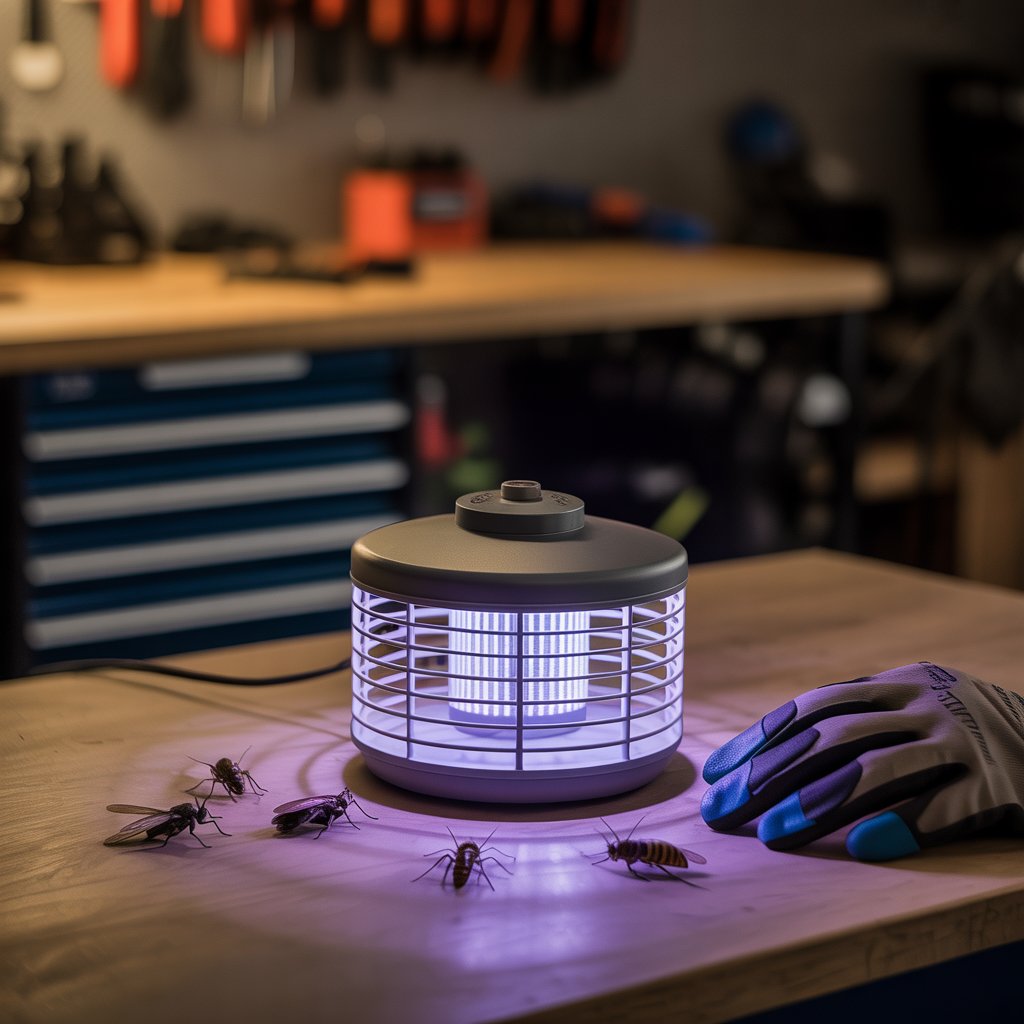
Have you ever spent a summer evening outdoors, only to be driven inside by the incessant buzzing of mosquitoes and other pesky insects? If so, you might have come across a bug zapper, a device that promises to rid your space of these unwanted guests. But how do these electrifying gadgets actually work? In this article, we’ll dive deep into the mechanics of bug zappers, explore their effectiveness, and consider some alternatives for pest control. So, grab a seat and let’s shed some light on how these zap-happy devices function!
Before we get into the nitty-gritty of how bug zappers work, let’s clarify what they are. A bug zapper, also known as an electric insect killer, is a device designed to attract and kill flying insects. They are commonly used in homes, gardens, and commercial spaces to control pests like mosquitoes, flies, and moths.
At its core, a bug zapper consists of three main components:
One of the primary reasons bug zappers are effective is their use of ultraviolet (UV) light. The UV light mimics the natural light spectrum that many insects are drawn to. Here’s how it works:
Although UV light is a significant attractant, some advanced bug zappers also incorporate heat and carbon dioxide emissions to lure insects. Here’s how:
Once the insects are close enough to the zapper, they encounter the electrified grid. Here’s what happens:
After the zapper has done its work, the remains of the insects fall into the collection tray. This tray can usually be removed for easy cleaning. Regular maintenance is crucial to ensure the zapper continues to operate effectively and hygienically.
Now that we understand how bug zappers work, let’s tackle the big question: Are they effective? The answer is a bit nuanced.
Interestingly, research has shown mixed results regarding the effectiveness of bug zappers. Some studies suggest that while they do eliminate many pests, they may not significantly reduce mosquito populations in the long run. This is partly because the most effective mosquito species may be less attracted to UV light compared to other sources of warmth and carbon dioxide.
If you’re not sold on bug zappers, there are plenty of other methods for keeping pesky insects at bay. Here are some popular alternatives:
Using topical insect repellents containing active ingredients like DEET or picaridin can be an effective way to keep mosquitoes and other bugs away.
Certain essential oils, like citronella, eucalyptus, and lavender, are known for their insect-repelling properties. Diffusing these oils or using candles can create a bug-free zone in your outdoor area.
Installing screens on windows and doors can keep bugs out of your home while allowing fresh air in. Additionally, using physical barriers like netting can protect outdoor spaces.
Introducing natural predators, like bats or birds, into your garden can help control insect populations. These animals feed on insects and can be beneficial for maintaining a balanced ecosystem.
Sticky traps or bait traps can catch insects without using electricity. These traps can be placed strategically around your yard to attract and capture a variety of flying pests.
To ensure your bug zapper remains effective, here are some maintenance tips to consider:
In conclusion, bug zappers can be a handy tool in the battle against pesky insects, thanks to their use of UV light and electrified grids. However, they are not without their downsides, including the potential harm to beneficial insects and limited effectiveness against certain pests. By understanding how bug zappers work and exploring alternative pest control methods, you can make informed decisions about keeping your outdoor spaces enjoyable and bug-free.
Whether you choose a bug zapper or a different approach, remember that maintaining a balance in your environment is essential for the health of our ecosystem. Happy bug zapping!