
Cleanliness and preventative measures are your first line of defense.
August 26, 2025
6 min read time
This information is reviewed by an independent pest control expert.
All external links are non-affiliated and for informational purposes only
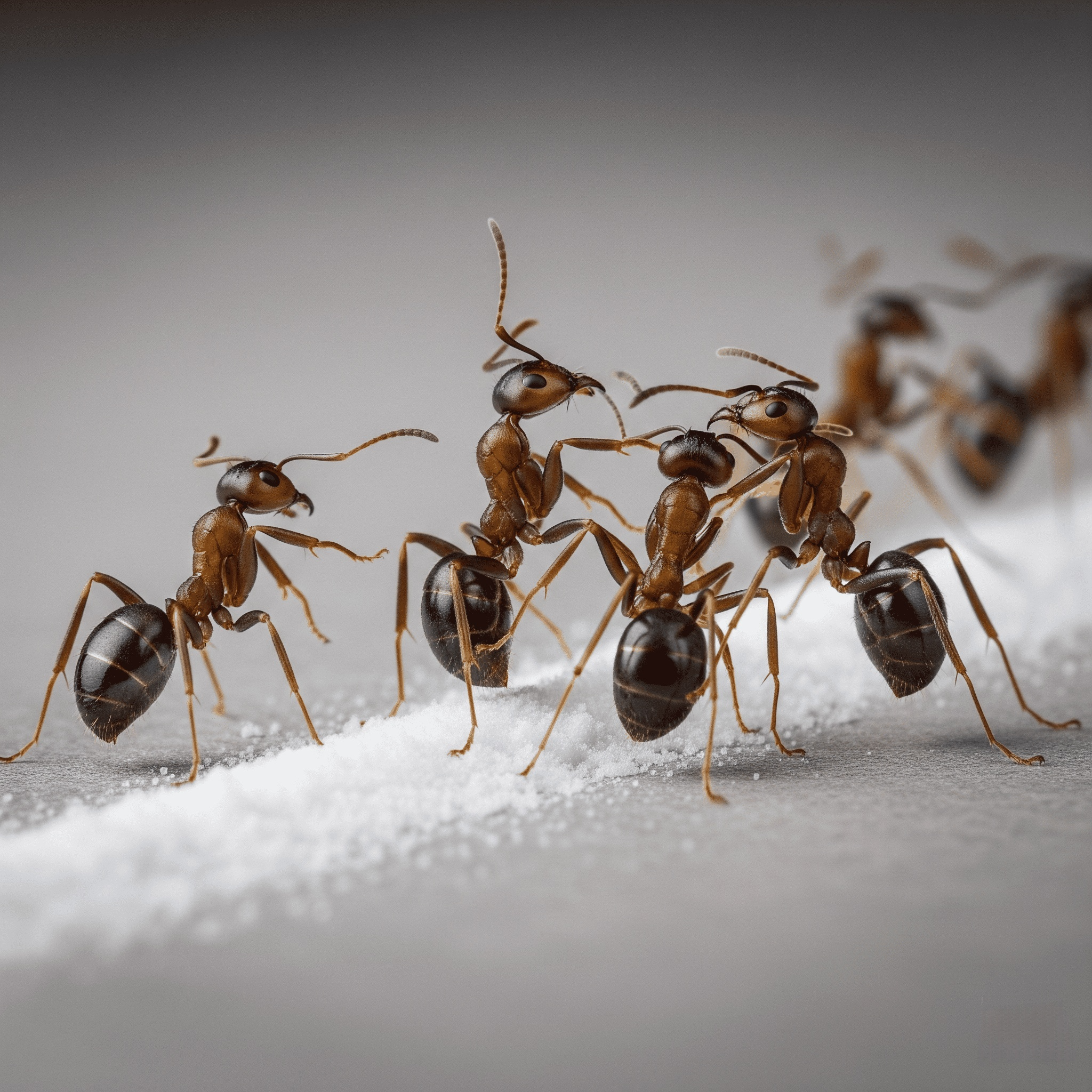
Have you ever found yourself in a battle with ants, trying everything to shoo them away from your home or garden? You’re not alone! Ants can be relentless little creatures, invading our kitchens, picnic spreads, and even our peaceful gardens. But don’t worry! We’re here to help you understand what actually repels ants so you can reclaim your space without resorting to harmful chemicals.
In this article, we will explore the science behind ant behavior, effective natural repellents, and practical tips to keep these tiny invaders at bay. By the end of this guide, you’ll be armed with knowledge to tackle any ant problem that comes your way. So let’s dive in!
Before we jump into repellents, it’s essential to understand why ants invade our spaces in the first place. Ants are social insects that thrive in colonies. They are always on the lookout for food, water, and shelter. Here are some common reasons why ants might invade your home:
Ants communicate through pheromones, which are chemical signals that help them navigate and alert other ants to food sources or danger. When an ant finds food, it releases a trail pheromone that other ants follow. This is why you often see a line of ants marching in single file towards a food source.
Understanding this behavior can help us develop effective strategies to repel ants. If we can disrupt their trails or make their environment less appealing, we can significantly reduce their presence.
Now that we understand why ants invade, let’s explore natural repellents that can help keep them at bay without resorting to harmful chemicals.
Vinegar is a fantastic all-purpose cleaner, and ants absolutely hate it. The strong smell disrupts their scent trails, making it difficult for them to communicate with one another.
How to Use:
Several essential oils are known to repel ants effectively. Some of the most popular include:
How to Use:
Ants are not fans of citrus. The scent of lemon, orange, or lime can deter them from entering your space.
How to Use:
Diatomaceous earth (DE) is a natural powder made from the fossilized remains of tiny aquatic organisms. It’s safe for humans and pets but lethal to insects like ants. The powder dehydrates ants when they come into contact with it.
How to Use:
While Borax is a mineral and not exactly a natural product, it’s a popular DIY solution that can effectively eliminate ants. Mixing it with sugar creates a bait that attracts ants.
How to Use:
Baking soda is another household staple that can help repel ants, especially when combined with sugar.
How to Use:
One of the most effective ways to keep ants at bay is to maintain a clean environment. Here are some tips:
Ants can squeeze through very small openings. To prevent their entry, consider the following:
As previously mentioned, ants need water to survive. Here’s how to minimize water sources:
Consider using natural barriers to deter ants:
While there are plenty of effective methods to repel ants, there are also some common mistakes to avoid:
While chemical pesticides may seem like a quick fix, they can be harmful to humans, pets, and the environment. Many ants are resistant to these chemicals, and they can also disrupt other beneficial insects.
If you’re only addressing the ants you see and not the colony itself, you may find that the problem persists. Identifying and treating the nest can lead to a more permanent solution.
If you opt for poison baits, ensure they are placed in areas inaccessible to children and pets. Always read and follow the instructions on the label.
Ants are fascinating creatures, but their invasions can be quite frustrating. By understanding their behavior and employing effective natural repellents, you can reclaim your home and garden. Remember, cleanliness and preventative measures are your first line of defense.
Whether you choose vinegar, essential oils, or even Borax, the key is to disrupt their trails and make your space unwelcoming. With these tips and tricks, you’ll be well-equipped to handle any ant situation that comes your way.
So next time you spot a tiny ant on your kitchen counter, don’t panic! You now know what actually repels ants—and you’re ready to take action. Happy ant-repelling!