
By understanding the types of bugs that might be responsible, their habits, and how to manage infestations, you can take the necessary steps to reclaim your space.
February 25, 2026
6 min read time
This information is reviewed by an independent pest control expert.
All external links are non-affiliated and for informational purposes only
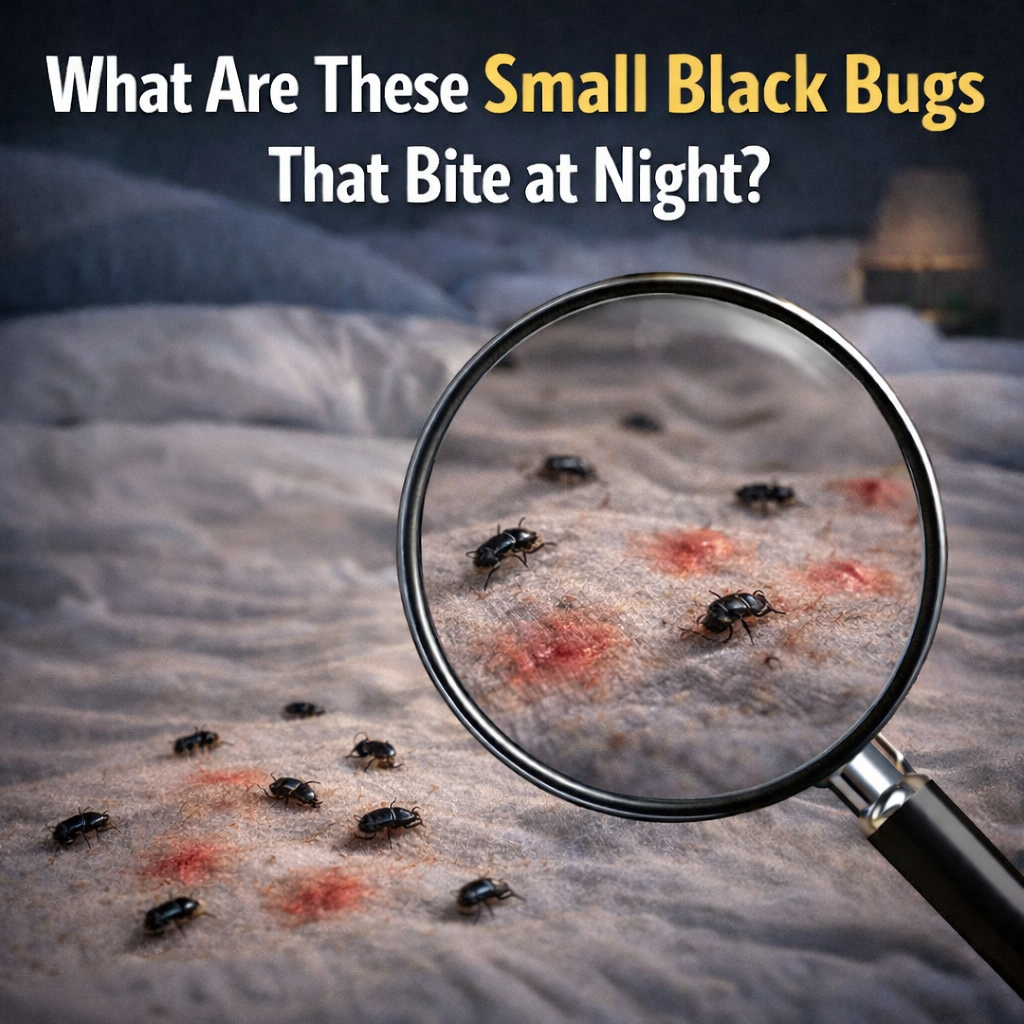
Have you ever woken up with mysterious bites on your skin, only to find tiny, black bugs scuttling away into the shadows? If so, you’re not alone! Many people experience similar encounters that leave them scratching their heads—literally and figuratively. But don’t worry! In this article, we’ll dive deep into the world of these small, black bugs, exploring their characteristics, habits, and how to deal with them effectively. So, grab your flashlight and let’s investigate!
Imagine this: you’re snuggled up in bed, drifting into a peaceful slumber, only to wake up with itchy welts on your skin. You look around your room, and that’s when you spot them—tiny, black bugs scurrying away into the corners of your room. It can be an unsettling experience, leaving you wondering what these pests are and how to get rid of them. The good news is that you’re not alone in this predicament, and understanding these bugs is the first step toward regaining your peace of mind.
So, let’s unearth the mystery of these small black bugs that bite at night!
Identifying the type of bug that’s causing the nighttime disturbances is crucial for effective treatment. Here are some of the most common small black bugs that might be keeping you up at night:
Bed bugs are notorious for their nocturnal feeding habits. These small, brownish-black insects are about the size of an apple seed and are experts at hiding in seams, mattresses, and furniture. They feed on human blood, often leaving itchy, red welts.
Fleas are another common culprit, especially if you have pets. These tiny, wingless insects can jump long distances and bite humans as well as animals. Flea bites are usually found around the ankles and legs.
While ticks are more commonly associated with outdoor environments, they can also find their way indoors. Some species can bite at night, attaching themselves to hosts for a blood meal.
Mosquitoes are infamous for their biting habits, particularly during warm weather. While they are larger than some of the other bugs mentioned, they can still be small and black.
Carpet beetles may not bite humans directly, but their larvae can cause skin irritation. These small, black bugs can be found in carpets, clothing, and upholstery.
To effectively tackle the problem, you need to know what you’re dealing with. Here’s a quick guide to help you identify these pests:
Understanding their behavior can also help in identifying the pests:
You might wonder why these bugs seem more active at night. The answer lies in their feeding habits and instincts:
While most bites from these small black bugs are just annoying and cause itchy welts, some can pose health risks:
Taking proactive steps can help you avoid sleepless nights and itchy skin. Here are some effective strategies for preventing and controlling bug infestations:
If you find yourself overwhelmed, it might be time to call in the professionals. Pest control experts can identify the type of bug and provide targeted treatments. They can also offer guidance on ongoing prevention strategies.
In conclusion, encountering small black bugs that bite at night can be a frustrating experience. By understanding the types of bugs that might be responsible, their habits, and how to manage infestations, you can take the necessary steps to reclaim your space. Remember to stay vigilant, keep your environment clean, and don’t hesitate to seek professional help if needed. With the right knowledge and actions, you can ensure that your nights are peaceful and bite-free!
Sleep tight, and may your dreams be bug-free!