
Using sounds as a repellent to groundhogs is a good tactic because if applied right, the effect could be likened to the discomfort groundhogs
July 28, 2024
4 min read time
This information is reviewed by an independent pest control expert.
All external links are non-affiliated and for informational purposes only

Groundhogs, also known as woodchucks, can be quite a nuisance for gardeners and homeowners alike.
These burrowing creatures can create extensive tunnels, damaging foundations, and devouring your precious plants.
If you’re looking for an effective way to keep groundhogs at bay, noise deterrents could be one of your best allies.
In this article, we will discuss what noises will repel a groundhog, how to implement these noises effectively, and additional tips to make your pest control efforts successful.
Groundhogs have acute hearing ability, which they need to sense predators and react swiftly for survival.
Certain loud or unexpected noises disturb their sense of safety, making areas seem inhospitable.
By leveraging this sensitivity, you can employ specific noises to encourage these furry critters to vacate your property.
Sonice sound devices emit sounds that are unbearable for groundhogs.These devices are easy to set up and can cover a substantial area.
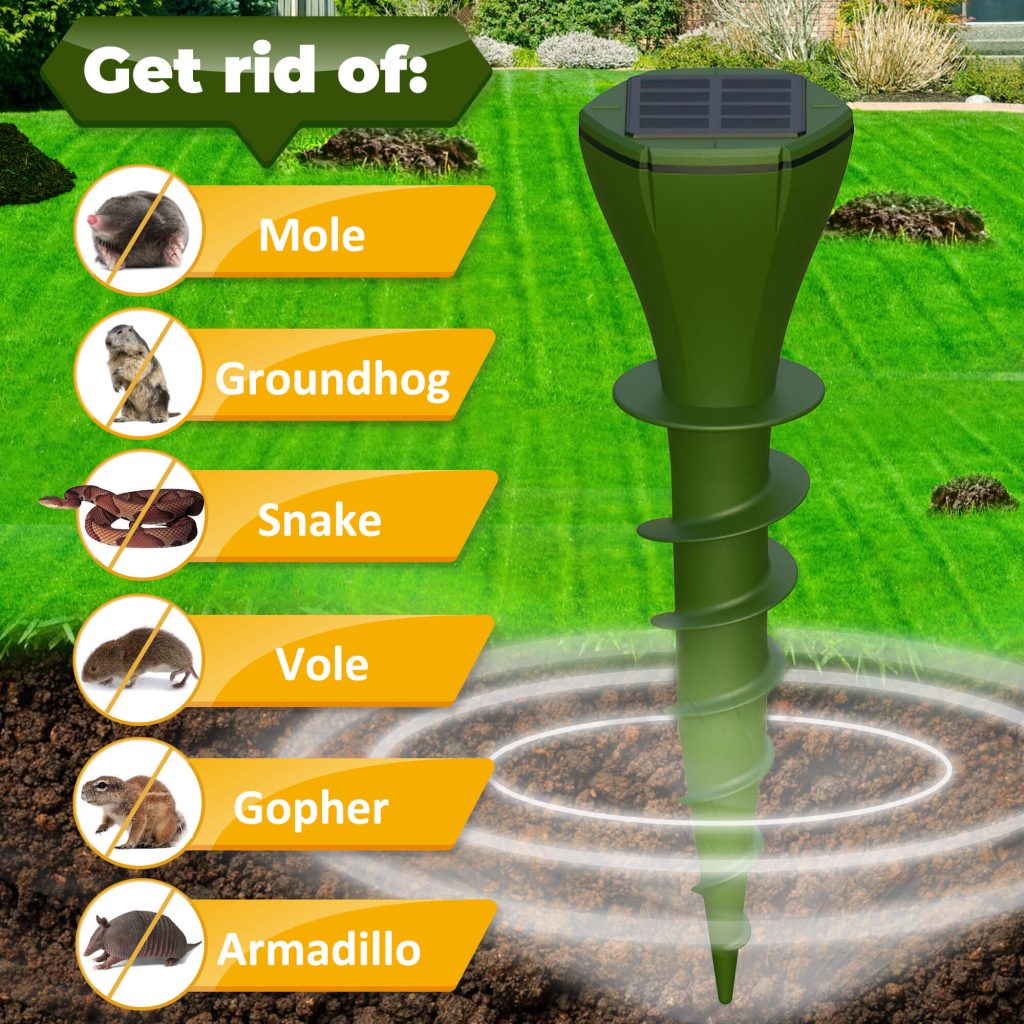
Groundhogs dislike constant noise, such as loud music or talk radio, which can make your yard seem less hospitable. This method is especially useful if you enjoy being outdoors and can combine your irritation with some entertainment.
Motion-activated sound devices can startle groundhogs when they come too close. These can include features like activating alarms or playing pre-recorded sounds.
While they might seem too delicate to scare away groundhogs, wind chimes and garden bells can create random noises that disrupt these animals’ peace.
Pairing noise with visual deterrents can amplify effectiveness. Reflective objects, scarecrows, or predator decoys (like fake owls) can make your yard an unfavorable environment for groundhogs.
Adding strong-smelling substances such as garlic, pepper, or commercially available granules can enhance the impact of noise deterrents.
Sometimes, a combination of noise and physical deterrence works best. Installing mesh fences buried at least 12 inches underground can prevent burrowing.
Repelling groundhogs can be a straightforward task if you know which noises to use and how to implement them effectively.
Whether you opt for high-tech ultrasonic devices, simple wind chimes, or a combination of methods, the key is persistence and adaptability.
With the right approach, your yard can remain a groundhog-free zone, allowing your garden to flourish without unwanted intrusions.
Latest Comments Click to leave a comment