
Learn which scents bees dislike to enhance your pest control efforts. From citrus to mint, discover natural repellents that can help keep bees away while protecting vital pollinators in your garden.
September 30, 2024
4 min read time
This information is reviewed by an independent pest control expert.
All external links are non-affiliated and for informational purposes only
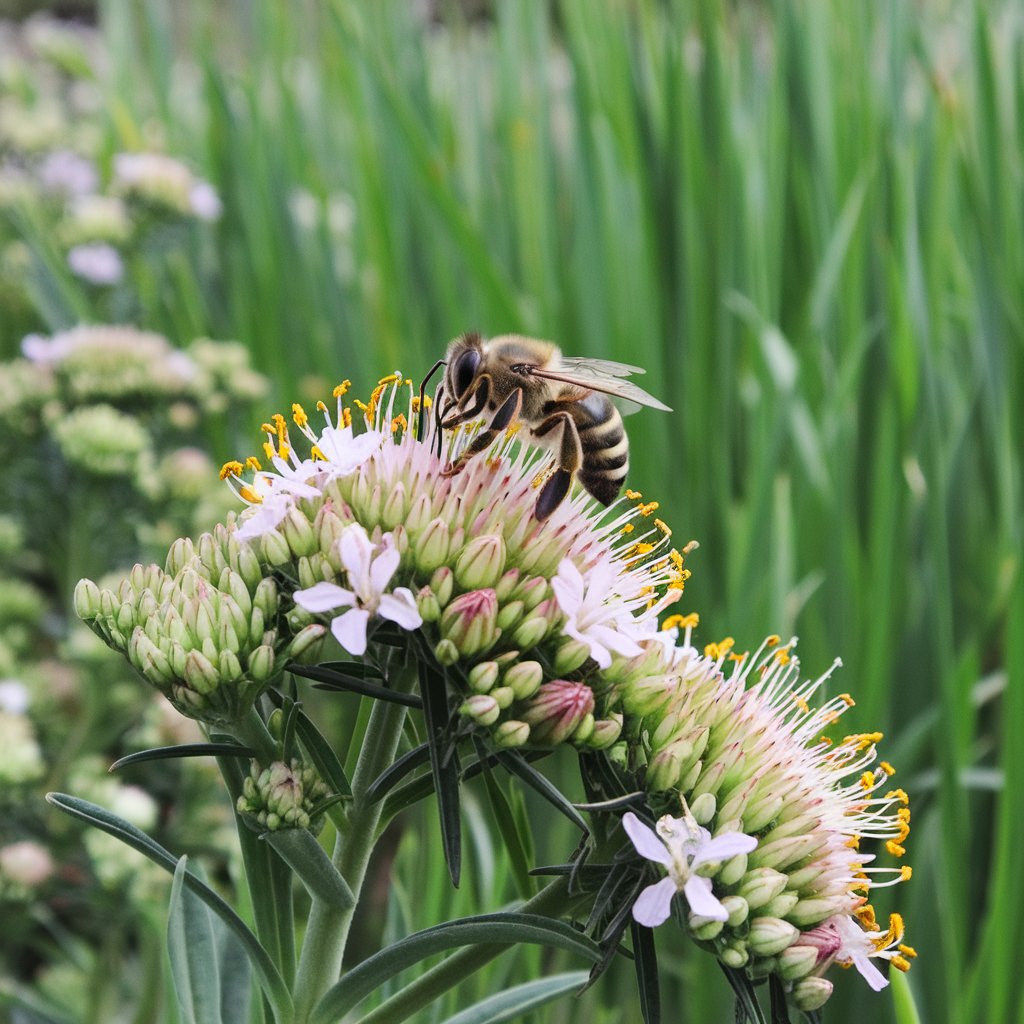
Bees play a vital role in our ecosystem, pollinating plants and contributing to the food chain.
However, in certain situations, bees can become pests, invading gardens or homes and creating discomfort for those around them.
Understanding what smells bees dislike can be a valuable strategy in pest control, helping to keep these buzzing creatures at bay while maintaining a healthy environment.
Bees rely heavily on their sense of smell to communicate, locate food, and navigate their surroundings.
They have a remarkable ability to detect scents, which is integral to their survival.
This olfactory sensitivity means that certain smells can effectively deter them.
While bees are essential for pollination, they can sometimes venture too close for comfort, especially during warmer months.
When they invade gardens, patios, or homes, they can cause distress, leading to a need for effective pest management strategies.
Understanding which scents repel bees can help create a less inviting environment for them. Here are some effective options:
Creating your own bee repellent is easy and cost-effective. Here are a few simple recipes:
Scent repellents work best when integrated with other pest control techniques.
Utilizing methods such as traps, barriers, and physical removal can enhance overall effectiveness.
For instance, using scent-based repellents in conjunction with traps can create a multi-faceted approach to managing pests.
Opting for natural scents over chemical pesticides is not only safer for the environment but also more sustainable.
Natural repellents help to maintain the balance of beneficial insects, ensuring that your pest control efforts don’t inadvertently harm pollinators.
While managing bee populations, it’s crucial to protect those that contribute positively to our ecosystem.
Using natural repellents responsibly can minimize harm to beneficial bees.
Always apply repellents during times when bee activity is low, such as early morning or late afternoon.
Keeping an eye on bee populations can help you assess the effectiveness of your pest control measures.
Observing their behavior can provide insights into whether your strategies are working or if adjustments are necessary.
Understanding what smells bees hate can be a powerful tool in effective pest control.
By utilizing natural scents like citrus, mint, vinegar, cinnamon, and eucalyptus, you can create a bee-unfriendly environment while still supporting the ecosystem.
Try out these methods, share your experiences, and help others find safe, effective solutions for managing bee-related issues.
Click to leave a comment