
Deer flies can ruin outdoor activities with their painful bites. Learn when they are most active, tips to avoid them, and explore effective products to protect yourself and enjoy the outdoors worry-free.De
August 16, 2024
4 min read time
This information is reviewed by an independent pest control expert.
All external links are non-affiliated and for informational purposes only
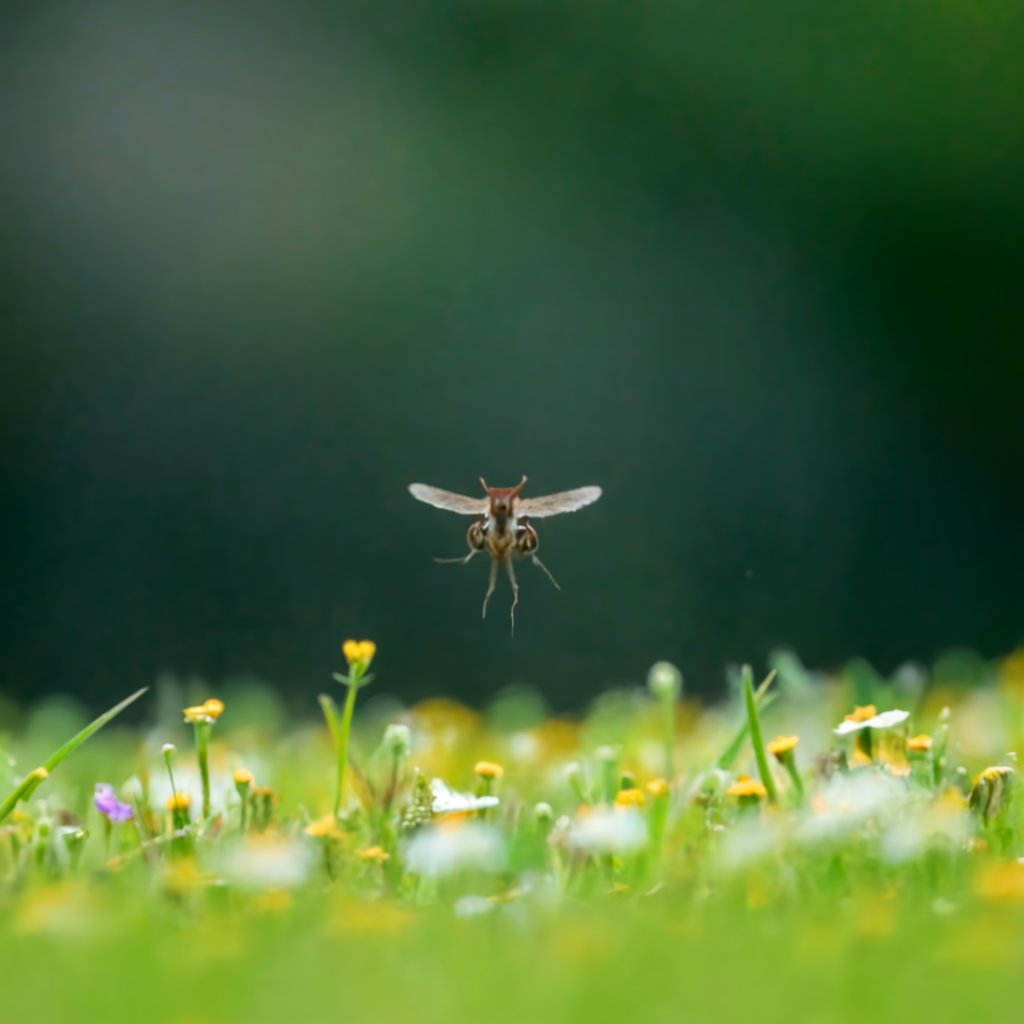
Deer flies can be quite a nuisance for outdoor enthusiasts, gardeners, and anyone who enjoys spending time in nature.
Understanding when these pesky insects are most active can help you plan your outdoor activities more effectively and minimize your encounters with them.
In this article, we will explore the behavior of deer flies, the times they are most active, and effective solutions to keep them at bay.
Deer flies, scientifically known as Chrysops spp., are small to medium-sized flies that are often mistaken for house flies.
They are characterized by their distinctive yellow or brown bodies and large, dark wings.
These flies are particularly notorious for their painful bites, which can cause irritation and swelling.
They are commonly found in wooded or grassy areas, especially near water sources.
Deer flies are typically found in regions with dense vegetation, including:
Deer flies exhibit specific activity patterns that are influenced by environmental factors such as temperature, humidity, and sunlight.
Generally, deer flies are most active during the following times:
The activity of deer flies can be influenced by several factors:
Knowing when deer flies are most active allows you to plan your outdoor activities accordingly. Here are some practical tips to help you minimize encounters:
While avoiding peak activity times can help reduce encounters with deer flies, it’s also essential to be prepared with effective deterrents.
Here are some recommended products that can help protect you from these pesky pests:
Using a natural repellent can provide an effective barrier against deer flies. Look for sprays that contain essential oils such as citronella or eucalyptus. These ingredients are known for their insect-repelling properties.
These traps use ultraviolet light to attract and eliminate deer flies. They can be placed in your backyard or near entrances to your home.
Wearing protective clothing, such as long sleeves and pants, can deter deer flies from biting. Consider clothing that has built-in insect repellent technology.
Many outdoor enthusiasts have found success in reducing deer fly encounters by using the recommended products. Here’s what some of them have to say:
Deer flies are attracted to warm-blooded animals, including humans. They are also drawn to areas with ample vegetation, water sources, and warm temperatures.
Generally, deer flies are diurnal, meaning they are most active during the day. However, in certain conditions, they can be seen at dusk or in poorly lit areas.
Look for products that are specifically labeled for use against deer flies and check customer reviews for effectiveness. Products containing natural repellents or UV light traps are often effective.
Understanding deer fly activity times can significantly enhance your outdoor experiences by allowing you to avoid peak encounters.
By planning your activities wisely and equipping yourself with effective repellents and traps, you can enjoy the great outdoors without the annoyance of deer flies.
Explore the recommended products above to ensure a fly-free environment for your next adventure!
8 more replies


Great article! I’ve found deer flies are worst near my lake property between 11AM-1PM. Have others noticed if they’re more active before or after rainstorms?
Deer flies love to hide in tomato plants! Found them most active around my veggie garden from 10AM-noon. Now I use oscillating fans which disrupt their flight patterns.