
Bug zappers are fascinating devices that utilize light, heat, and sometimes pheromones to attract and eliminate unwanted insects.
May 19, 2025
6 min read time
This information is reviewed by an independent pest control expert.
All external links are non-affiliated and for informational purposes only
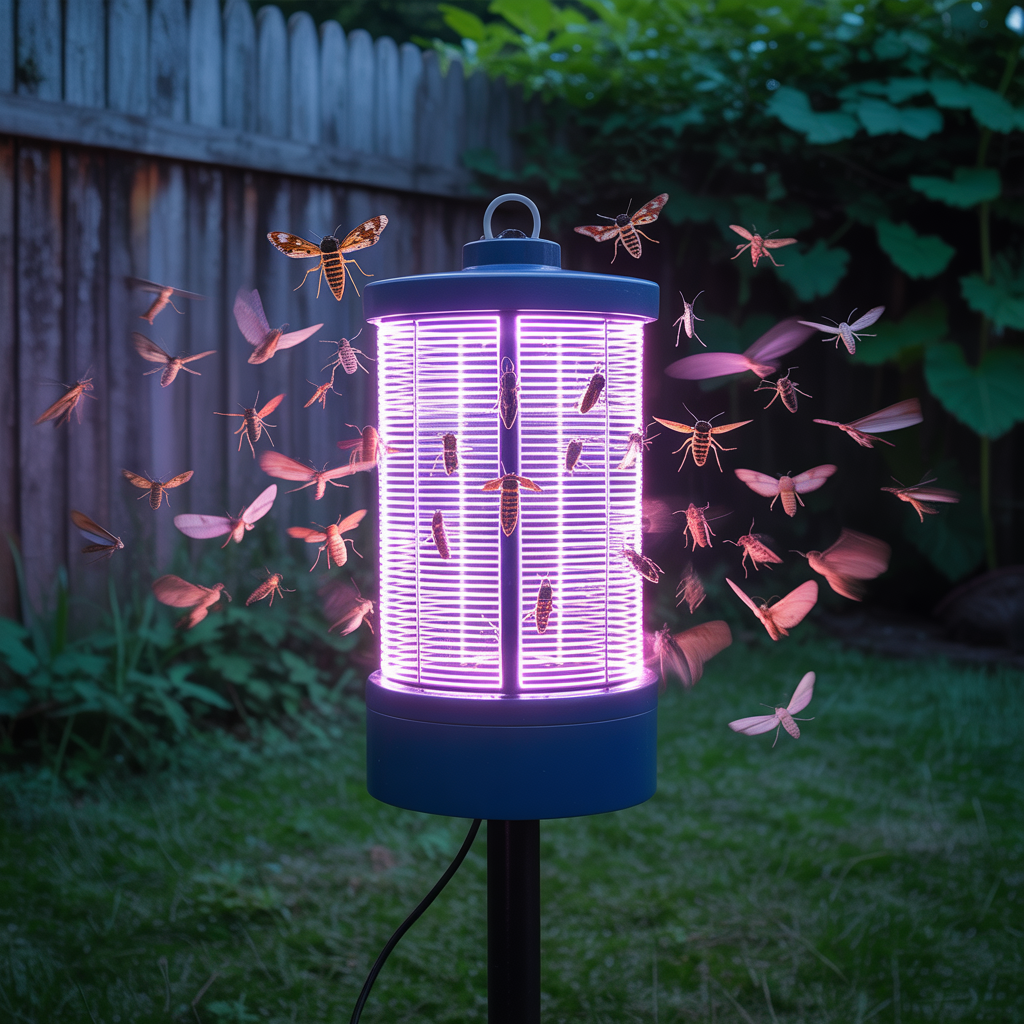
Ah, summer nights! The warm breeze, the smell of barbecues, and the sounds of laughter fill the air. But lurking in the shadows are those pesky bugs that love to ruin our outdoor fun. Enter the bug zapper: a seemingly magical device that promises to zap away your insect troubles. But have you ever wondered why these devices are so effective in attracting bugs? What is it about bug zappers that draws insects to their doom? Join us as we delve into the fascinating science behind why bugs are irresistibly attracted to bug zappers.
Before we dive into the science, let’s clarify what a bug zapper is. A bug zapper, or electric insect killer, is a device designed to attract and kill flying insects. Most zappers consist of a light source, usually ultraviolet (UV) light, and an electrified grid that delivers a fatal shock to unsuspecting bugs that come too close.
While they might seem simple, these devices are grounded in the fascinating interplay between light, heat, and chemical signals that insects use to navigate the world around them.
One of the primary reasons bugs are attracted to bug zappers is the light source. Insects, particularly nocturnal ones, are drawn to light because it helps them navigate during the night. For many flying insects, light acts as a guide, helping them maintain a straight flight path.
Ultraviolet (UV) light plays a significant role in this attraction. Many insects, including moths and beetles, can see UV light, which is invisible to the human eye. Bug zappers typically emit UV light, making them incredibly appealing to these critters. The UV rays mimic the natural sunlight that insects are instinctively drawn to, leading them straight into the trap.
In addition to light, bug zappers often emit some heat. Insects are also attracted to warmth, as it can signal the presence of food sources, such as plants or other insects. The combination of UV light and heat creates an environment that lures insects in, making them easy targets for the electrified grid.
While light and heat are significant factors, insects also rely heavily on chemical signals known as pheromones. These are substances secreted by insects to communicate with one another, often to signal mating opportunities or the presence of food. Some bug zappers are designed to incorporate pheromone attractants, making them even more effective.
Now that we understand the science of attraction, let’s explore the types of bugs that are usually drawn to bug zappers.
Mosquitoes are notorious for ruining outdoor fun, and they are attracted to bug zappers, albeit not as effectively as one might think. They are more attracted to carbon dioxide and body heat emitted by humans. However, the UV light can still catch their attention.
Moths are perhaps the most common victims of bug zappers. Their attraction to light is well-documented, and the UV rays emitted by bug zappers serve as a beacon, luring them in for the kill.
Various species of flies, such as house flies and fruit flies, are also drawn to bug zappers. They are attracted to both the light and the heat, making them easy targets for the electrified grid.
Interestingly, while bug zappers are effective at attracting certain types of insects, they aren’t a one-size-fits-all solution for pest control. Here’s why:
To maximize the effectiveness of your bug zapper, consider the following tips:
If you’re looking for alternatives to bug zappers, there are several options worth exploring:
Bug zappers are fascinating devices that utilize light, heat, and sometimes pheromones to attract and eliminate unwanted insects. While they can be effective for certain pests, they are not a foolproof solution and can inadvertently catch beneficial insects as well. By understanding the science behind why bugs are attracted to bug zappers and implementing effective usage strategies, you can enjoy your outdoor spaces without the annoyance of flying pests.
So the next time you fire up your bug zapper, you’ll not only know how it works but also appreciate the intricate world of insects it draws in! Whether you choose to rely solely on bug zappers or incorporate a mix of pest control methods, understanding these little critters can make your summer nights much more enjoyable.