
Understanding mosquito behavior is crucial for effectively controlling their populations.
May 20, 2025
6 min read time
This information is reviewed by an independent pest control expert.
All external links are non-affiliated and for informational purposes only
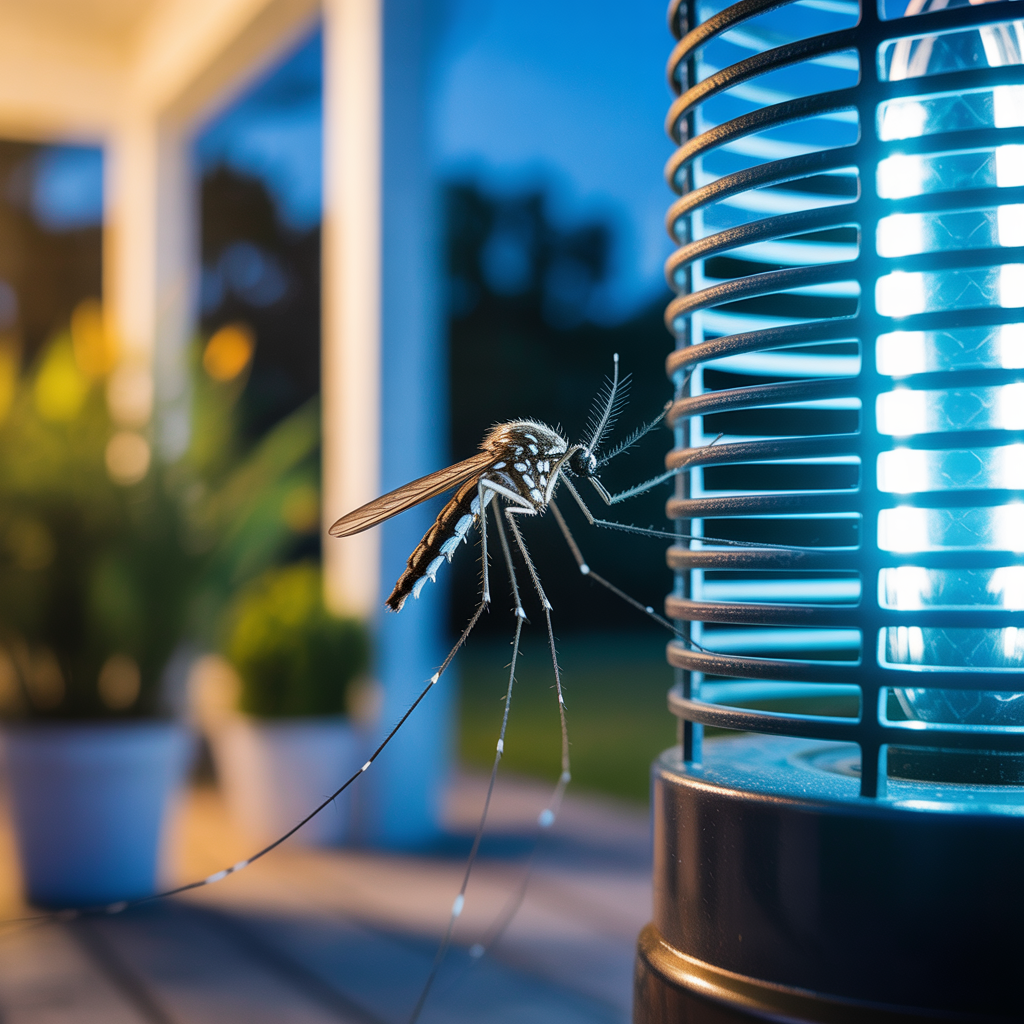
When you think of warm summer nights spent outdoors, often the image of swatting away pesky mosquitoes comes to mind. Many of us invest in bug zappers, believing they are the ultimate solution to our mosquito woes. However, if you’ve ever watched a bug zapper in action and noticed that mosquitoes seem to be giving it a wide berth, you might wonder: Why are these little bloodsuckers ignoring my bug zapper?
In this article, we’ll dive deep into the intriguing world of mosquitoes and bug zappers. We’ll explore the reasons why mosquitoes might not be attracted to your device, how these annoying insects find their prey, and what you can do to make your outdoor space more enjoyable.
Before we can tackle why mosquitoes might not be flocking to your bug zapper, it’s essential to understand a little about their behavior. Mosquitoes are attracted to specific stimuli in their environment, which helps them locate their prey—us!
Now that we understand what attracts mosquitoes, let’s break down how bug zappers function. Bug zappers typically use ultraviolet (UV) light to lure insects. Once the bugs come close, they encounter an electrified grid that zaps them instantly.
Now we get to the crux of the matter—why are mosquitoes seemingly ignoring your bug zapper? Here are several key reasons:
While bug zappers emit UV light, they do not produce carbon dioxide or heat—two significant attractants for mosquitoes. Without these stimuli, mosquitoes may not even notice the zapper.
Not all mosquitoes are attracted to UV light. Certain species, such as the Aedes aegypti (the yellow fever mosquito), may prefer different wavelengths of light. Studies have shown that mosquitoes are more responsive to some light spectrums, which means a standard bug zapper may not be as effective for all types of mosquitoes.
Mosquitoes are also influenced heavily by scent. If your bug zapper does not emit any attractive odors, it may fail to lure mosquitoes in. Natural human scents, perfumes, and even scents from nearby plants can be more enticing than the zapper itself.
Understanding that bug zappers may not be the ultimate solution leads us to the question: what is? Here are some effective methods for controlling mosquito populations:
Unlike bug zappers, mosquito traps are designed to mimic human attractants. They often use CO2, heat, and even specific scents to lure mosquitoes into a trap where they cannot escape.
Using insect repellents containing DEET, picaridin, or oil of lemon eucalyptus can help keep mosquitoes at bay when you’re outdoors.
Mosquitoes breed in stagnant water. Regularly emptying containers that hold water, cleaning gutters, and ensuring proper drainage can significantly reduce mosquito populations in your area.
Encouraging natural predators, such as bats and certain bird species, can help keep mosquito numbers in check. Installing bat houses or birdhouses can be a natural way to combat these pests.
If you still want to make your bug zapper more effective, consider these tips to enhance its appeal:
Some modern bug zappers come with CO2 generators that can mimic human breath, making them more attractive to mosquitoes.
Place your bug zapper strategically. Position it away from areas where you gather and near standing water or vegetation. This way, mosquitoes are lured to the zapper instead of you.
Consider using your bug zapper in combination with other pest control methods. For instance, using insect repellent while placing your zapper in a strategic location can help catch more mosquitoes.
If bug zappers aren’t cutting it for you, there are several alternative mosquito control strategies worth considering:
Essential oils like citronella, lavender, and eucalyptus can be effective in repelling mosquitoes when applied to your skin or used in diffusers.
These systems spray insecticides at regular intervals to reduce mosquito populations. They can be a more permanent solution for serious infestations.
If mosquitoes become an unbearable problem, hiring a pest control professional to assess your yard and recommend solutions can be a worthwhile investment.
In conclusion, the reasons why mosquitoes might ignore your bug zapper boil down to several key factors involving their attraction to carbon dioxide, heat, scent, and light preferences. While bug zappers can zap some insects, they are not the panacea many believe them to be.
Understanding mosquito behavior is crucial for effectively controlling their populations. By combining strategies, choosing the right pest control methods, and considering alternative solutions, you can enjoy your outdoor spaces without the nuisance of buzzing mosquitoes.
So, as you plan your next summer gathering, remember: while bug zappers might be a part of your arsenal, it’s understanding why mosquitoes ignore them that will lead you to a truly pest-free experience. Happy summer nights ahead!