
Remember to check the placement, ensure you’re using the right attractants, and be patient.
July 8, 2025
7 min read time
This information is reviewed by an independent pest control expert.
All external links are non-affiliated and for informational purposes only
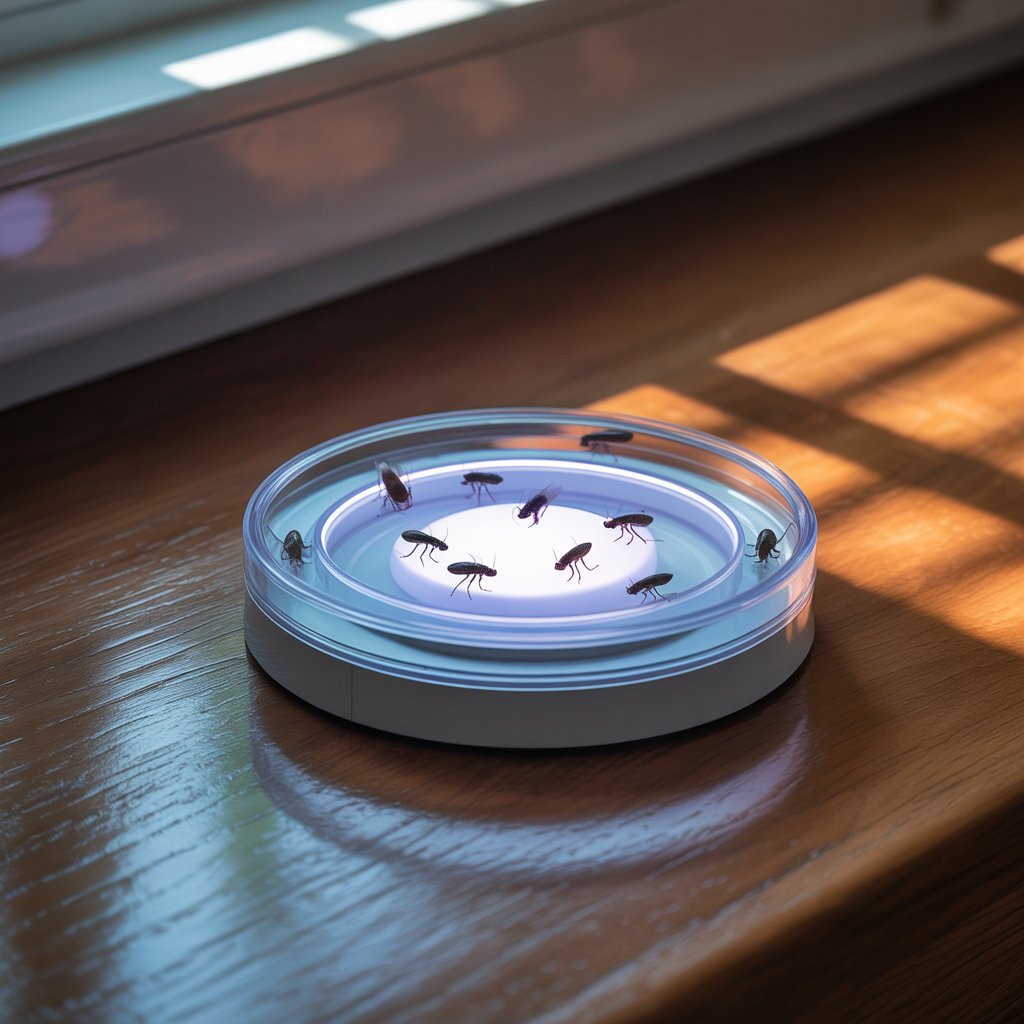
Fleas are more than just a nuisance; they can turn your cozy home into a battleground. If you’ve set up a flea trap and found it’s not doing its job, you’re likely feeling frustrated and confused. After all, you expect a simple device to help you rid your living space of these pesky parasites. In this article, we’ll delve into the common reasons why your flea trap isn’t working and how to make it effective. So grab a cup of tea, get comfortable, and let’s explore the world of flea traps together!
Flea traps are devices designed to attract and capture fleas, helping to reduce their population in your home. They often use a combination of light, heat, and sticky surfaces to lure fleas, making them an essential tool in the fight against these pests.
Typically, flea traps work by emitting heat and light, simulating the presence of a host (like a pet or human). Fleas jump toward the source of warmth and light, landing on a sticky surface where they become trapped. This method can be effective for monitoring flea populations and reducing their numbers.
If your flea trap is not capturing any fleas, it could be due to several factors. Let’s break down the most common reasons and how to address them.
One of the most crucial factors affecting the efficiency of your flea trap is its placement.
Tips for Ideal Placement:
Flea traps often rely on specific attractants to lure fleas effectively. If your trap isn’t using the right ones, it may not perform as well.
Enhancing Attractiveness:
Not all flea traps are created equal. If you’re using the wrong type of trap for your specific situation, it might not yield results.
Types of Flea Traps:
Flea traps may not yield immediate results. It’s important to give them some time to work effectively.
Patience is Key:
Sometimes, the environment can play a big role in a flea trap’s effectiveness.
Considerations for the Environment:
If there are other sources of attraction (such as pets or other hosts), fleas may bypass the trap entirely.
Managing Competing Attractants:
Understanding the flea lifecycle can provide insight into why traps may not work as expected.
Flea Lifecycle Stages:
Some pet owners may rely solely on flea traps without considering other necessary actions.
Comprehensive Flea Control:
While flea traps can be a helpful tool, it’s essential to incorporate other strategies for effective flea control.
Vacuuming your home regularly can help remove fleas, eggs, and larvae from carpets and upholstery.
Tips for Vacuuming:
Frequent washing of pet bedding, blankets, and any fabrics your pets frequently come into contact with can help eliminate potential flea habitats.
Washing Guidelines:
If your flea problem persists despite your best efforts, it may be time to call in the professionals.
Benefits of Professional Help:
If your flea trap isn’t working, don’t despair! By understanding the common issues that can affect its effectiveness, you can make informed adjustments to improve its performance. Remember to check the placement, ensure you’re using the right attractants, and be patient. Also, consider integrating other flea control measures for a comprehensive approach to tackling your flea problem.
With a little perseverance and the right strategies, you can reclaim your home from these pesky invaders. Don’t wait—take action today, and you’ll soon find yourself on the path to a flea-free life!