
To control fleas, you need to apply both flea treatment and probably an insect growth regulator to interrupt flea lifecycle and stop larval fleas from developing too.
April 15, 2025
6 min read time
This information is reviewed by an independent pest control expert.
All external links are non-affiliated and for informational purposes only

If you’ve ever experienced the itchy, uncomfortable bites of fleas, you know just how frustrating these tiny pests can be. Perhaps you’ve tried everything from home remedies to hiring pest control professionals, but those pesky fleas just keep coming back. If you’re considering the use of a flea trap, you might be wondering: will it really solve your infestation problem? In this article, we’ll explore the effectiveness of flea traps, how they work, and what else you can do to kick those unwelcome guests to the curb.
Before we dive into the solutions, it’s essential to understand what you’re dealing with. Fleas are small, wingless insects that thrive on the blood of mammals, including your beloved pets and even humans.
Flea infestations can lead to more than just itchy bites. They can cause health issues for pets and humans alike, including:
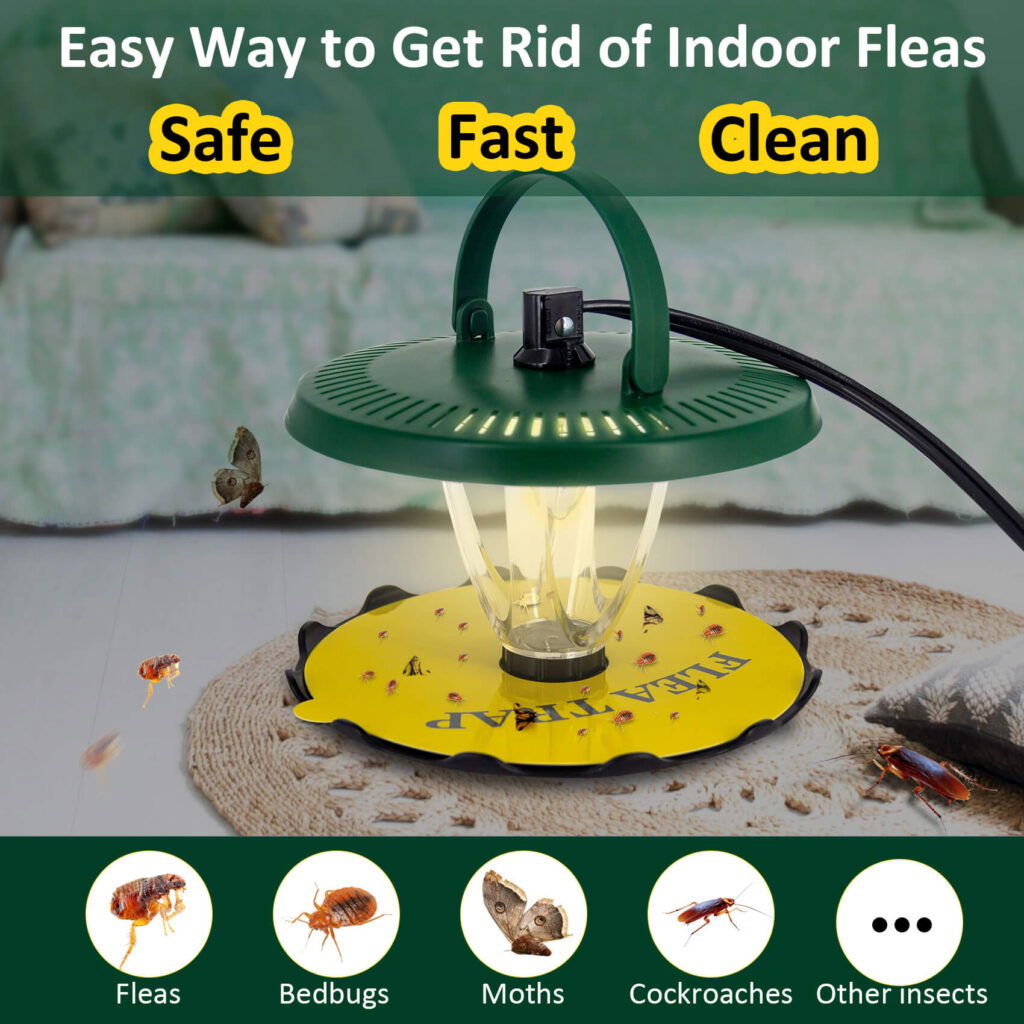
A flea trap is a device designed to attract and capture fleas. Typically, these traps use a combination of light, heat, and sometimes sticky surfaces to lure fleas in.
Flea traps work on the principle of attraction. Fleas are drawn to light and heat, mimicking the warmth of a host. When they jump towards the light, they either get stuck to a sticky surface or fall into a trap.
While flea traps can help reduce the population of fleas in your home, they are not a standalone solution for ending an infestation. Here’s why:
Flea traps can be a useful component of an integrated pest management plan, but they should be used alongside other methods.
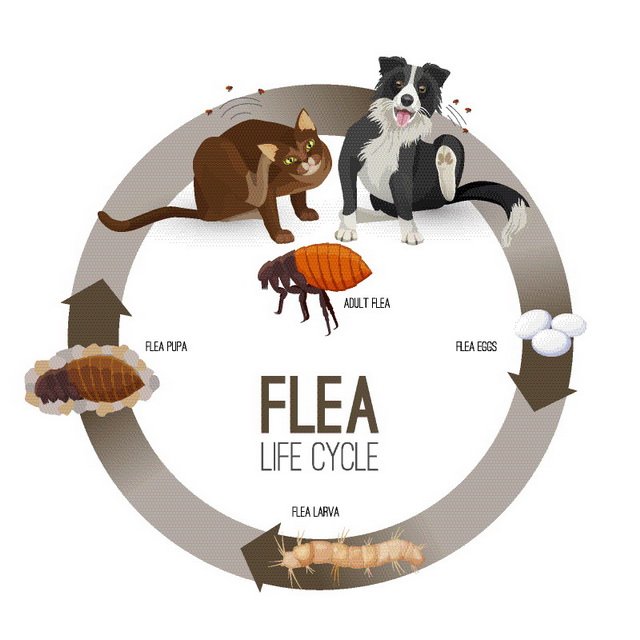
To effectively eliminate a flea infestation, it’s essential to combine multiple strategies. Here’s a step-by-step guide:
If the infestation persists, you may want to consider professional pest control services or over-the-counter flea sprays and foggers. Make sure to follow all safety instructions when using chemical treatments.
So, will a flea trap end your infestation? The answer is no, but it can certainly play a helpful role in managing the problem. Flea traps are best used in conjunction with a comprehensive flea control strategy that includes treating your pets, cleaning your home, and potentially using chemical treatments. By implementing a multi-faceted approach, you can effectively reduce the flea population and prevent future infestations.
Remember, patience is crucial when dealing with fleas. It may take time to fully eradicate these pests, but with diligence and the right strategies, you can reclaim your home from these tiny terrors. Happy pest control!
Q: How many flea traps do I need?
A: It depends on the size of your home and the severity of the infestation. One trap might suffice for a small apartment, while a larger home might require multiple traps.
Q: Are flea traps safe for pets?
A: Generally, yes. Most are designed to be non-toxic but always read the instructions and place them out of reach of curious paws.
17 more replies
Sorry, no posts matched your criteria.
A flea trap is most useful for monitoring and reducing active adult fleas in rooms where pets rest. It should be paired with pet treatment, vacuuming, and source control when an infestation is already established.


Flea traps can definitely help, but they may not completely solve the problem on their own. They are more effective at monitoring the infestation rather than eliminating it.
Agreed. You might want to use the flea trap alongside other methods like treating your pets and vacuuming daily. It’s all about a comprehensive approach.
I’ve had success with flea traps but only when I combined them with other treatments. It helped me figure out where the infestation was worst and deal with it accordingly.
@LindaWild What kind of other treatments did you use? I’m in a similar situation and curious about effective strategies.
I used a combination of flea traps, diatomaceous earth, and regular flea combing on my pets. It took a while, but it worked.
I’ve used flea traps in the past. They work best when you place them in high-traffic areas where fleas are likely to jump onto them. But don’t rely on them alone if you want to get rid of fleas entirely.
@ScienceBuffBen Do you have any recommendations on particular brands or types of flea traps that worked well for you?
I had the best results with electric flea traps. They use a light to attract fleas and a sticky pad to trap them. You can find them online or at most pet stores.
I’ve used those too and they can be pretty effective. Just make sure to replace the sticky pads regularly to maintain effectiveness.
Seconded on placement advice. They won’t work if you just put them anywhere. High-traffic areas where pets hang out the most are key.