
Ultrasonic animal repellents are your best bet as they can keep these birds at bay easily without much effort on your part.
April 14, 2025
6 min read time
This information is reviewed by an independent pest control expert.
All external links are non-affiliated and for informational purposes only
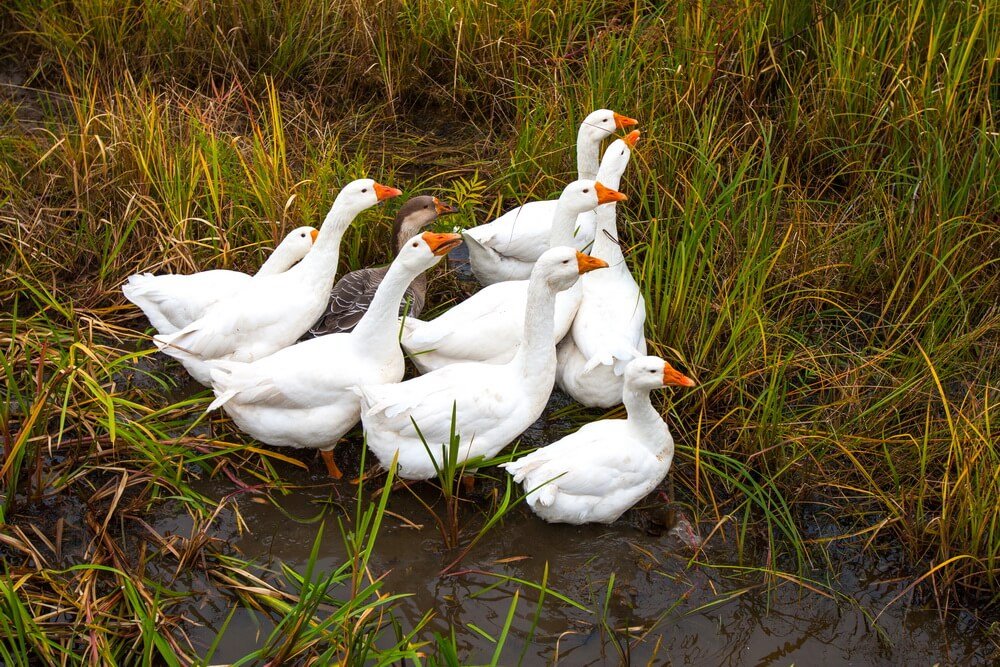
Have you ever found yourself at a lovely park, only to be confronted by a gaggle of honking geese? While these feathered friends may be a delight to some, they can quickly become a nuisance, especially if they decide to make your backyard their personal feeding ground. With the rise of various animal control methods, many people wonder: will an ultrasonic animal repellent work on geese? In this article, we’ll explore the ins and outs of ultrasonic repellents, their effectiveness against geese, and alternative methods to keep these birds at bay.

Ultrasonic animal repellents are devices designed to emit high-frequency sound waves that are unpleasant to certain animals. These sounds are typically inaudible to humans but can be detected by animals like dogs, cats, rodents, and even some birds. The idea is that the sound waves create an uncomfortable environment, encouraging animals to leave the area.
Ultrasonic repellents work by emitting a range of frequencies that are specifically unpleasant to specific animals. The sounds can disrupt communication, navigation, and overall comfort, driving animals away. The effectiveness often depends on factors such as:
One of the primary attractions of ultrasonic repellents is their human-friendly nature. Unlike traps or chemical repellents, these devices do not harm animals or disrupt the environment. They are also easy to use—just plug them in or set them up, and let them do their work!
Geese are social and territorial birds, often seen in large groups, especially during migration seasons. While they may appear harmless, they can cause significant disruptions in residential areas and public spaces. Here are a few reasons why geese can become a nuisance:
Deterring geese can be tricky. They often return to familiar feeding grounds and are known to ignore certain deterrents after a while. This brings us back to the question: Can ultrasonic repellents effectively deter geese?
While many animal repellents claim to be effective against various species, there is limited specific research regarding the effectiveness of ultrasonic repellents on geese. Some studies suggest that:
Many users report mixed results when using ultrasonic repellents for geese. Some claim to have seen a temporary decrease in goose presence, while others have found the devices entirely ineffective. Here’s a breakdown of user experiences:
Wildlife experts and ornithologists often express skepticism about the effectiveness of ultrasonic repellents on geese. They emphasize that:
One of the most effective ways to keep geese away is by using physical barriers. Fencing, netting, or even natural barriers like shrubs can deter geese from entering your property.

Geese are drawn to certain environments, particularly areas with easy access to food and water. Modifying your landscape can help discourage them from settling in:
Sometimes, good old-fashioned scare tactics can work wonders. Here are a few methods to consider:
Although not everyone wants to use chemicals, certain non-toxic repellents can deter geese. These products usually create an unpleasant taste on the grass or plants, discouraging geese from feeding.
If your goose problem persists and becomes overwhelming, consider contacting wildlife control professionals. They can provide tailored solutions to your specific situation, ensuring that geese are removed safely and humanely.
In the quest to keep geese at bay, ultrasonic animal repellents may not be the silver bullet you hoped for. While they can be effective for certain species, geese appear to be less affected by these high-frequency sounds. Instead, a combination of physical barriers, habitat modification, scare tactics, and professional help may yield better results in managing goose populations.
Whether you’re a park-goer looking to enjoy a peaceful day or a homeowner trying to protect your garden, understanding goose behavior and the limitations of ultrasonic repellents is crucial. With patience and persistence, you can find the right solution to keep these honking visitors at a distance.