
These pesky creatures hate high-frequency noise that can irritate them so much that they run away from the premises.
April 14, 2025
5 min read time
This information is reviewed by an independent pest control expert.
All external links are non-affiliated and for informational purposes only

If you’ve ever had a garden that’s been turned into a battlefield by pesky critters, you’re not alone. Many gardeners and homeowners are on a quest to find effective ways to keep these unwelcome guests at bay. Among the myriad of solutions available, mole and gopher sonic spikes have gained popularity as a humane and chemical-free method to deter these burrowing animals. But what about groundhogs? Do these devices work on them too? Let’s dig into the details and find out!

Groundhogs, also known as woodchucks, belong to the rodent family and are primarily known for their burrowing habits. They are common in North America and can wreak havoc in gardens, lawns, and agricultural fields. Groundhogs can be quite destructive:
For many, keeping groundhogs away from their gardens is a top priority. These little creatures can:
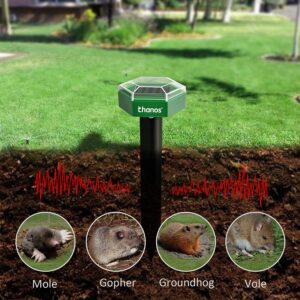
Sonic spikes are devices designed to emit high-frequency sounds that are unpleasant to burrowing animals like moles and gophers. The idea is that these sounds, which are often inaudible to humans, will deter the animals from making their homes in your yard.
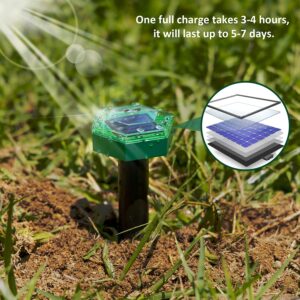
These devices are typically powered by batteries or solar energy and work by:
While sonic spikes show promise for moles and gophers, the effectiveness of these devices on groundhogs is a topic of debate. Groundhogs are larger and more adaptable than smaller rodents, leading many to question whether sonic spikes will have the same impact.
Several studies have looked into the efficacy of sonic repellents. Here are some key takeaways:
Several factors can influence how well sonic spikes deter groundhogs:
While sonic spikes might be a part of your strategy, it’s wise to consider other methods as well. Here are some alternatives to help manage groundhog populations:
Encouraging natural predators can help keep groundhog populations in check. Birds of prey like hawks and owls are effective, so consider adding perches or nesting boxes to attract them.
If groundhogs have already taken up residence, trapping may be necessary. Make sure to check your local regulations regarding trapping and relocating wildlife.

To maximize your efforts in keeping groundhogs away, consider the following tips:
In conclusion, while mole and gopher sonic spikes may offer some level of deterrence against groundhogs, their effectiveness is still a matter of debate. These devices might help in reducing the presence of smaller burrowing animals, but groundhogs could require a more nuanced approach.
Combining sonic spikes with physical barriers, natural predators, and repellents may provide the best chance at protecting your garden from these persistent pests. Ultimately, understanding the behavior of groundhogs and being proactive in your management strategies will yield the best results.
So, before you invest in sonic spikes, consider your options and be prepared to try a multi-faceted approach to keep your garden flourishing and free from groundhog interference!
