
Remember to keep an eye on moisture levels, seal entry points, and maintain a clean environment to prevent future infestations.
February 25, 2026
6 min read time
This information is reviewed by an independent pest control expert.
All external links are non-affiliated and for informational purposes only
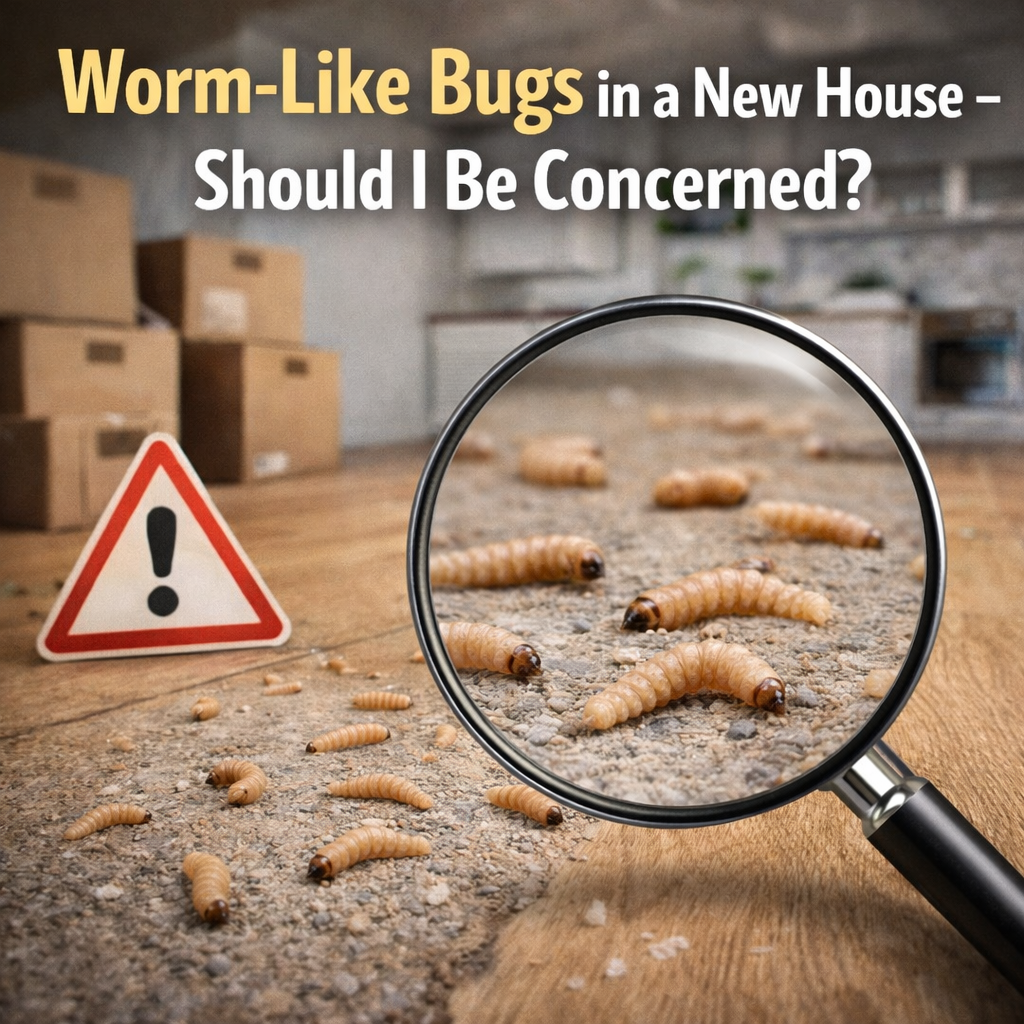
Moving into a new house can feel like stepping into a fresh chapter of your life. The excitement of unpacking boxes and decorating your space is often overshadowed by one unwelcome surprise: worm-like bugs. If you’ve recently made the leap into a new home and encountered these creepy crawlers, you might be feeling a mix of confusion and concern. Are they harmless? Do you need to take action? Let’s dive into the world of these pesky critters and find out what you need to know!
Before you can decide whether or not to be worried about those worm-like bugs, it’s essential to identify what they are. While there are several types of worm-like insects, some of the most common include:
Pillworms are the larvae of various beetles, and they can often be found in damp places, particularly in soil or decaying plants. They’re generally harmless and are more of a sign of moisture problems than a true pest issue.
These are long, segmented creatures that typically have a brownish color. Millipedes thrive in moist environments and are often found in basements or bathrooms. Though they can be startling, they are not harmful to humans.
A bit more alarming than other worm-like bugs, centipedes are fast-moving and can bite if provoked. However, their bites are usually not dangerous and resemble a bee sting.
If you find them indoors, it could indicate a drainage issue, as earthworms typically prefer soil. They are beneficial for gardens but uninvited guests in your home.
These microscopic roundworms are usually harmless and often live in the soil. They can be beneficial for controlling pests in gardens but aren’t something to worry about indoors.
Knowing what type of worm-like bug you’ve encountered is crucial for deciding your next steps.
Now that you have a better understanding of the different types of worm-like bugs, you may be wondering: When should I be concerned? Here are some signs you should watch for:
If you see one or two of these bugs occasionally, it might not be a cause for alarm. However, if you notice a sudden surge in their population, it could indicate an infestation.
Certain types of worm-like bugs, like larvae, can cause damage to wood, plants, or even your personal belongings. If you notice unusual holes or decay, it may be time to investigate further.
A persistent bad smell could signal a larger problem, particularly if it accompanies numerous bugs. This could indicate decaying organic matter or a serious moisture issue.
If you find these bugs in areas with high humidity, like bathrooms or basements, it’s a red flag. High moisture levels can lead to mold and other pests, which should be addressed promptly.
While most worm-like bugs pose little threat, some can carry diseases or trigger allergies. If you or any family members experience unexplained health issues, consider consulting a professional.
If you’ve identified worm-like bugs in your home and are concerned, don’t panic! There are several steps you can take to address the issue:
As mentioned earlier, knowing precisely what type of bug you’re dealing with is half the battle. Use online resources, consult pest identification guides, or even take a sample to a local extension office for help.
Most worm-like bugs thrive in damp conditions. Here are some strategies to reduce moisture:
Preventing worm-like bugs from entering your home is vital. Here are a few tips:
Many bugs are attracted to food, whether it’s organic matter or crumbs. Here’s how to make your home less inviting:
If the infestation is minor, consider trying some natural remedies before resorting to chemicals:
If you find yourself overwhelmed or the infestation persists despite your best efforts, it might be time to call in the professionals. Pest control services can provide tailored solutions and help you regain control of your home.
Once you’ve dealt with the current worm-like bug issue, the last thing you want is for it to happen again. Here are some preventive measures to keep in mind:
Make it a habit to inspect your home periodically. Look for signs of moisture, pest activity, or damage.
Keep your yard clean and well-maintained. Trim back any overgrown plants and remove debris that could attract pests.
Knowledge is power! Stay informed about common pests in your area and how to prevent them. This way, you can act quickly at the first sign of trouble.
Consider creating physical barriers around your home, such as gravel or mulch, which can deter certain pests from getting too close.
Ensure that your landscaping doesn’t allow for easy access to your home. Plants should be trimmed away from the foundation, and mulch should be kept at a reasonable distance.
Encountering worm-like bugs in your new house can be unnerving, but understanding what they are and how to handle them can help ease your concerns. While most of these bugs are harmless, knowing when to take action is essential. Remember to keep an eye on moisture levels, seal entry points, and maintain a clean environment to prevent future infestations. With knowledge and proactive measures, you can enjoy your new home without the worry of unwanted pests. Happy decorating, and may your new space be bug-free!